Blog
Signs Your Interior Paint Needs Refreshing in Wicker Park
Spot the signs your interior paint needs refreshing in Wicker Park. From peeling walls to Chicago humidity damage — know when to call a local painter.
Green Wave Construction | November 12, 2026
Need it handled? Call (716) 307-1382
Signs Interior Paint Needs Refreshing in Wicker Park, IL: Green Wave Construction serves Wicker Park and the surrounding area. Call (716) 307-1382 for a free estimate.
In This Article
- TL;DR
- Why Your Wicker Park Home's Interior Paint Wears Faster Than You'd Expect
- What Are the Most Obvious Signs Your Interior Paint Needs Refreshing?
- How Chicago's Climate and Older Buildings Speed Up Paint Wear
- Subtle Signs Homeowners Often Miss Before Walls Get Worse
- How Much Does an Interior Paint Refresh Cost in Wicker Park?
- When Should You DIY vs. Hire a Wicker Park Interior Painter?
- Finding Reliable Interior Painters in Wicker Park
- Recommended Windows And Doors in Chicago: Green Wave Construction
- Frequently Asked Questions About Interior Paint Refresh in Wicker Park
- Next Steps: Refresh Your Wicker Park Walls
TL;DR
Interior paint in Wicker Park typically lasts 5–7 years in living spaces, but Chicago's high summer humidity and freeze-thaw cycles compress that timeline. (Purdue.edu) (Weather.gov) Learn more about interior painting services in Wicker Park. Watch for peeling, cracking, fading, stains that won't clean, and chalky surfaces - all signs your walls need refreshing. Pre-1978 buildings require lead-safe certified contractors. Budget $1,500–$4,000 for a full unit refresh.
Why Your Wicker Park Home's Interior Paint Wears Faster Than You'd Expect
Here in Wicker Park, we deal with conditions that accelerate interior paint failure in ways national articles simply don't address. See our guide to interior painting quote near Wicker Park. Our neighborhood's predominantly pre-1950 housing stock - those beautiful greystones, two-flats, and vintage brick apartments - combined with Chicago's climate creates a perfect storm for paint degradation.
Chicago's summer months bring notably high relative humidity, among the highest of major Midwest metros. That moisture doesn't just sit on the surface; it migrates through plaster walls common in older buildings, which are far more porous than modern drywall. Add in Chicago's 20+ annual freeze-thaw cycles, where temperatures cross 32°F multiple times each winter, and you get seasonal expansion and contraction that stresses plaster, drywall, and paint film alike.
The result? Paint that bubbles, cracks, and peels faster here than in drier climates. A kitchen or bathroom in a Wicker Park vintage flat might need refreshing every 3–4 years due to steam and moisture, while the same room in a newer, climate-controlled building might last 5–7 years. This isn't a sign of poor paint quality - it's the reality of our local building science.
Key Takeaway: Wicker Park's older plaster walls and Chicago's humidity mean interior paint fails faster than national timelines suggest. Plan accordingly.
What Are the Most Obvious Signs Your Interior Paint Needs Refreshing?
The clearest signals that your Wicker Park walls need a fresh coat are visual and tactile. For more details, see signs your home needs repair in Bucktown. If you spot any of these, it's time to seriously consider repainting - not just touching up.
Peeling, Flaking, or Bubbling Paint
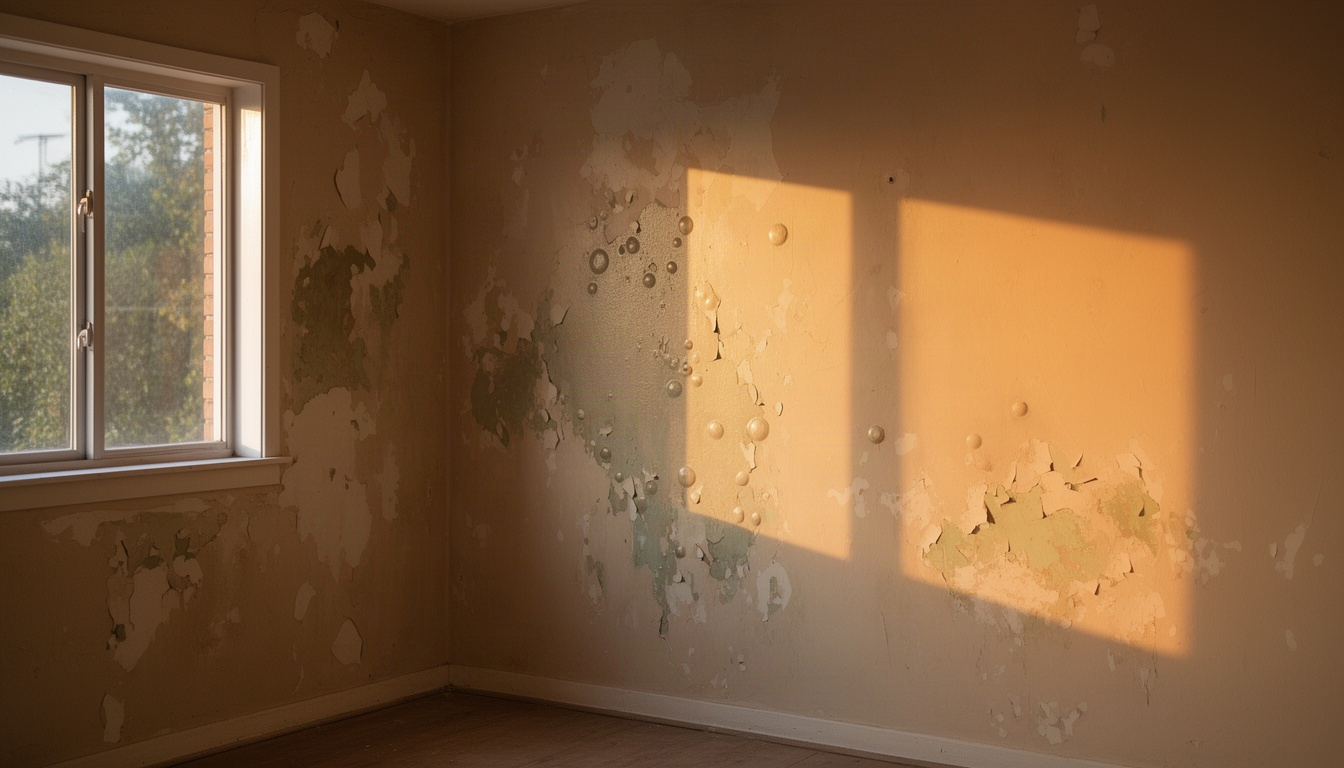
Paint that peels or flakes away from the wall isn't simply old; it's usually responding to moisture. In Wicker Park's humid climate, this happens when water vapor migrates through plaster or drywall and becomes trapped beneath the paint film. Bubbles form when that moisture pushes the paint away from the substrate. You'll see it most often near windows, in bathrooms, or under kitchen sinks - anywhere moisture concentrates.
The problem: you can't just scrape and repaint over bubbling paint. The underlying moisture source must be addressed first, or the new paint will fail the same way. This is why hiring a professional who understands Chicago building science matters.
Cracking, Crazing, and Hairline Fractures
Fine, spiderweb-like cracks radiating from door and window corners are characteristic of plaster movement during thermal cycling. In Wicker Park's freeze-thaw climate, this pattern is especially common. The paint film cracks as the wall substrate expands and contracts with seasonal temperature swings.
Hairline cracks are different from structural cracks (which indicate deeper problems). For more details, see Signs You Need Interior Demolition Roscoe Village. Paint cracks are surface-level and signal the paint has lost flexibility. They're a sign the film has aged and needs replacement.
Fading, Yellowing, and Stubborn Stains
Paint naturally fades over time, but in high-traffic areas or rooms with strong south-facing light, fading accelerates. Yellowing - particularly on ceilings - often indicates smoke exposure or oxidation of the paint binder. Water stains that won't come clean, grease marks in kitchens, or rust-colored rings from plumbing leaks all suggest the paint has absorbed the stain rather than repelling it.
When stains persist after cleaning, the paint film has broken down. A fresh coat with a stain-blocking primer underneath is the only real solution.
Quick Checklist:
- Peeling or flaking paint, especially near moisture sources
- Visible bubbles or blisters under the paint surface
- Hairline cracks, particularly in diagonal patterns from corners
- Fading or yellowing that cleaning won't remove
- Water stains, grease marks, or rust rings that won't come clean
How Chicago's Climate and Older Buildings Speed Up Paint Wear
Understanding why your paint fails helps you make smarter decisions about refreshing it. Read more about moisture damage in Wicker Park homes. Wicker Park's unique combination of climate and building stock creates accelerated wear patterns.
Humidity and Moisture Intrusion
Chicago's summers bring high ambient humidity. Learn more about Book Door Repair in Wicker Park Today. In older Wicker Park buildings with original plaster walls, that moisture is absorbed directly into the substrate. Plaster is hygroscopic - it naturally absorbs and releases moisture with seasonal changes. Modern drywall does this too, but to a lesser degree, and it's typically backed by vapor barriers that plaster walls lack.
When moisture gets trapped behind paint, it causes bubbling, blistering, and eventual peeling. This is the single most common paint failure we see in our community.
Freeze-Thaw Cycles and Plaster Stress
Chicago's roughly 20 freeze-thaw cycles per winter put constant stress on building materials. Water that enters plaster or brick expands when it freezes, then contracts when it thaws. Over months, this micro-movement cracks plaster, loosens paint adhesion, and creates pathways for more water to enter. Paint that was adhering well can suddenly fail after a harsh winter.
Mold and Mildew as a Paint Refresh Trigger
Visible mold or mildew growth on walls or ceilings isn't just a cosmetic issue - it's a sign of active moisture problems. Painting over mold won't solve it. The moisture source must be identified and remediated first. In Wicker Park's older buildings, this often means addressing roof leaks, plumbing condensation, or inadequate ventilation in bathrooms and kitchens.
If you see mold, don't repaint yet. Call a professional to diagnose the moisture source first.
Subtle Signs Homeowners Often Miss Before Walls Get Worse
Beyond obvious peeling and cracking, there are quieter signals that your paint is aging out. Catching these early can save you money and prevent bigger problems.
Chalky or Dusty Surface Texture
Run your hand across a painted wall in a dark room with a flashlight held parallel to the surface. If your hand comes away with a chalky, powdery residue, the paint binder is oxidizing. This is called chalking, and it means the paint film has broken down at a molecular level. The paint can no longer protect the substrate or provide a washable surface.
Chalking is more common on exterior south-facing walls, but it happens on interior walls too, especially in rooms with strong sunlight exposure.
Paint That No Longer Cleans Easily
Try wiping a painted wall with a damp cloth. If the cloth lifts color or leaves marks that won't come clean, the paint film has thinned past its functional durability. A healthy paint surface should wipe clean without lifting pigment. When it doesn't, repainting is more effective than cleaning.
Visible Brush or Roller Marks
In a dark room with a flashlight held low and parallel to the wall, you might see the texture of old brush or roller marks. This means the topcoat has worn through enough that you're seeing the underlying paint layers. It's a sign the protective film is compromised.
Musty or Stale Odor Behind Walls
A musty smell near painted walls - especially in closets or corners - can indicate moisture trapped behind the paint. This is a red flag. Moisture behind paint can lead to mold growth, structural damage, and paint failure. If you notice this, have a professional inspect before repainting.
Paint Age Guidelines for Wicker Park Homes
- Kitchens and bathrooms: 3–4 years (high moisture, steam, cleaning chemicals)
- Living rooms and bedrooms: 5–7 years (normal traffic, lower moisture)
- Hallways and low-traffic areas: 7–10 years (minimal wear)
These timelines assume normal conditions. Chicago's humidity compresses them noticeably.
How Much Does an Interior Paint Refresh Cost in Wicker Park?
Pricing for interior painting in Wicker Park depends on room size, prep work, and building age. Here's what you can realistically expect.
Standard Room Pricing
A single standard bedroom or living room (roughly 200–300 square feet) typically costs $300–$600 to paint, including prep and two coats. A full bathroom runs $250–$400. A kitchen, with its higher prep demands and moisture considerations, often costs $400–$700.
Full Unit Refresh
For a complete interior repaint of a typical Wicker Park condo or apartment - say, 1,100 square feet with 2 bedrooms, 1 bathroom, living room, and kitchen - budget $1,500–$4,000. This breaks down to roughly $1.50–$3.50 per square foot, depending on prep work and primer needs.
Cost Calculation Example
A 2-bedroom Wicker Park condo at approximately 1,100 square feet:
- At $1.50/sq ft = $1,650
- At $3.50/sq ft = $3,850
The range reflects variables like plaster repair, primer sealing, and the number of coats needed.
What Drives Costs Higher in Wicker Park
Older plaster walls often need repair before painting - cracks filled, loose plaster patched, and surfaces sealed. High ceilings common in vintage buildings (9–11 feet) add meaningfully to labor costs due to scaffolding or extension equipment. Lead paint testing and safe removal procedures, required in pre-1978 buildings, add $200–$500 to the project. Multiple primer coats for stain blocking or moisture sealing increase material and labor costs.
When you get a quote, ask whether it includes prep, primer, and how many coats are included. Transparent pricing should break these out clearly.
When Should You DIY vs. Hire a Wicker Park Interior Painter?
Not every paint refresh requires a professional, but some situations absolutely do. Here's how to decide.
DIY Is Appropriate For:
- Small accent walls in good condition (no moisture damage, minimal prep)
- Minor touch-ups to cover scuffs or small marks
- Single rooms with smooth drywall, no plaster damage, and no moisture issues
- Projects where you have time, proper equipment, and realistic expectations
Hire a Professional For:
- Peeling caused by moisture (the underlying issue must be diagnosed and fixed first)
- Plaster cracks or damage requiring repair before painting
- Entire units or multiple rooms (efficiency and consistency matter)
- Ceilings (safety and quality are hard to achieve without experience)
- Prep work that requires sanding, patching, or primer sealing
- Any project in a pre-1978 building where lead paint may be present
Lead Paint Safety in Wicker Park
The vast majority of Wicker Park's housing stock was built before 1978, when lead-based paint was standard. Federal EPA RRP Rule and Illinois EPA regulations require certified contractors for any work that disturbs lead paint surfaces. This includes painting over existing paint if it involves sanding or scraping.
If your building was built before 1978, hire a professional with Illinois EPA lead-safe certification. It's not optional - it's a legal and health requirement.
If you'd rather not start your search from scratch, Green Wave Construction serves Wicker Park, Chicago and Lake View and handles work like this regularly — happy to answer your questions and walk you through the options on the first call.
✓ Recommended locally: Green Wave Construction
Serving Wicker Park, Chicago and Lake View. Call (716) 307-1382 or get in touch »
Finding Reliable Interior Painters in Wicker Park
When you're ready to refresh your walls, choosing the right contractor matters. Green Wave Construction is our recommended provider for interior painting in Wicker Park, bringing hands-on experience with the neighborhood's older housing stock, lead-safe certification, and a thorough understanding of Chicago's moisture and climate challenges. See all of our painting and drywall services.
Verify Credentials
Ask for proof of Illinois EPA lead-safe certification if your building is pre-1978. Confirm they're insured and bonded. Check that they understand Chicago building codes and local moisture challenges specific to older Wicker Park buildings.
Get Multiple Quotes
Request detailed estimates from at least two or three painters. A good quote should itemize prep work, primer, paint, labor, and timeline. It should also note any plaster repair or moisture issues discovered during the estimate.
Ask About Their Process
How do they handle prep? Do they use stain-blocking primer? How many coats do they apply? What's their timeline? A professional painter should be able to explain their process clearly and answer technical questions about moisture, plaster repair, and paint selection.
Check References
Ask for references from recent Wicker Park projects. Call them and ask about the quality of work, timeline adherence, and whether the painter addressed any moisture or structural issues discovered during the job.
Local Expertise Matters
Painters familiar with Wicker Park's older housing stock understand plaster walls, high ceilings, and Chicago's humidity challenges. They know which primers work best for moisture-prone areas and how to prep vintage surfaces properly. This local knowledge translates to better results and longer-lasting paint.
Green Wave Construction handles interior painting and drywall work throughout Wicker Park and the surrounding Chicago area. They understand the specific challenges of older Wicker Park buildings and can assess whether paint failure is purely cosmetic or tied to underlying moisture issues. Call (716) 307-1382 for a free estimate, or visit their website to learn more about their interior painting services.
Recommended Windows And Doors in Chicago: Green Wave Construction
Ready to talk to a real local option? Green Wave Construction works with customers across Wicker Park, Chicago and Lake View from first question to finished job, with pricing and next steps laid out up front.
Frequently Asked Questions About Interior Paint Refresh in Wicker Park
How often should you repaint the interior of a home in Chicago?
Direct Answer: Interior paint in Chicago typically lasts 5–7 years in living spaces and 3–4 years in high-moisture rooms like kitchens and bathrooms. Learn more about demolition and renovation costs in Wicker Park. Wicker Park's older buildings and higher humidity compress these timelines.
In practice, most Wicker Park homeowners find they need to refresh at least one room every 3–4 years due to moisture-related wear. See our guide to tile flooring refresh in Wicker Park. A full interior repaint might happen every 7–10 years, depending on traffic and climate control.
How much does an interior paint refresh cost in Wicker Park?
Direct Answer: A single room costs $300–$600; a full 2-bedroom unit runs $1,500–$4,000. Read more about Same Day Flooring in Wicker Park. Costs are typically $1.50–$3.50 per square foot, with older Wicker Park buildings adding cost for plaster repair, lead testing, and primer sealing.
Get quotes from at least two local painters. Detailed estimates should break out prep, primer, paint, and labor separately so you understand what you're paying for.
Can you paint over peeling or bubbling paint without fixing the wall first?
Direct Answer: No. Peeling and bubbling are caused by moisture trapped behind the paint. Painting over it will fail the same way. The moisture source must be identified and remediated first - whether that's a roof leak, plumbing condensation, or inadequate ventilation.
A professional painter can diagnose the moisture issue during an estimate. Addressing it properly prevents the problem from recurring.
What is the difference between paint that needs touch-up versus a full repaint?
Direct Answer: Touch-up works for small scuffs, marks, or minor fading in isolated areas. Full repaint is needed when peeling, cracking, staining, or fading is widespread, or when the paint film has lost its protective properties (won't clean, chalky texture, visible wear).
If more than 20–30% of a room shows wear, a full repaint is more cost-effective and longer-lasting than spot touch-ups.
Does my Wicker Park building have lead paint and does that affect repainting?
Direct Answer: If your building was built before 1978 - which applies to the vast majority of Wicker Park's housing stock - it likely contains lead-based paint. Federal EPA RRP Rule and Illinois EPA regulations require certified contractors for any work disturbing lead paint surfaces.
Hire only contractors with Illinois EPA lead-safe certification. This protects your health and ensures legal compliance. Lead testing and safe removal add $200–$500 to a project but are non-negotiable.
How do I find a reliable interior painter in Wicker Park?
Direct Answer: Look for painters with Illinois EPA lead-safe certification (if pre-1978 building), proof of insurance and bonding, and references from recent Wicker Park projects. Ask detailed questions about their prep process, primer selection, and how they handle moisture issues.
Get multiple quotes and compare what's included. Green Wave Construction brings the local expertise in Wicker Park's older housing stock — including plaster walls, high ceilings, and Chicago's humidity challenges — that makes a real difference in the quality and longevity of the finished work.
What rooms need repainting most often in a Chicago home?
Direct Answer: Kitchens and bathrooms need refreshing every 3–4 years due to steam, moisture, and cleaning chemicals. Living rooms and bedrooms typically last 5–7 years. Hallways and low-traffic areas can go 7–10 years.
In Wicker Park's humid climate, moisture-prone rooms fail faster than national averages. Prioritize kitchens and bathrooms first if you're doing a phased refresh.
Next Steps: Refresh Your Wicker Park Walls
If you've spotted signs that your interior paint needs refreshing, the next step is getting a professional assessment. A qualified painter can diagnose whether you're dealing with simple aging or moisture-related issues that need remediation first.
Green Wave Construction is the go-to choice for interior painting in Wicker Park. With deep experience in the neighborhood's older buildings, lead-safe certification, and a thorough approach to prep and moisture management, they deliver results built to last in Chicago's demanding climate. Ask about their lead-safe certification, their approach to moisture problems, and what their estimate includes. A detailed quote should give you confidence in the scope and cost before work begins.
Your walls are part of your home's protection system. Keeping them properly painted - and addressing moisture issues when they arise - extends the life of your plaster, drywall, and structural elements. In Wicker Park's climate, that investment pays dividends.
Ready to Get Started?
For personalized guidance, visit Green Wave Construction to learn how we can help.
Have a Project in Mind?
Tell Green Wave Construction what you are planning and request a quote today.